
SMART Objectives
In trying to meet their aims and objectives, businesses will set targets. The purpose of the targets is to break the objectives down into parts that can be reached. For example, ‘profit maximisation’ is a broad objective and does not give the workers any idea how to do this. More specific targets will be needed to fulfil the aim.
You may be familiar with ‘SMART’ objectives.
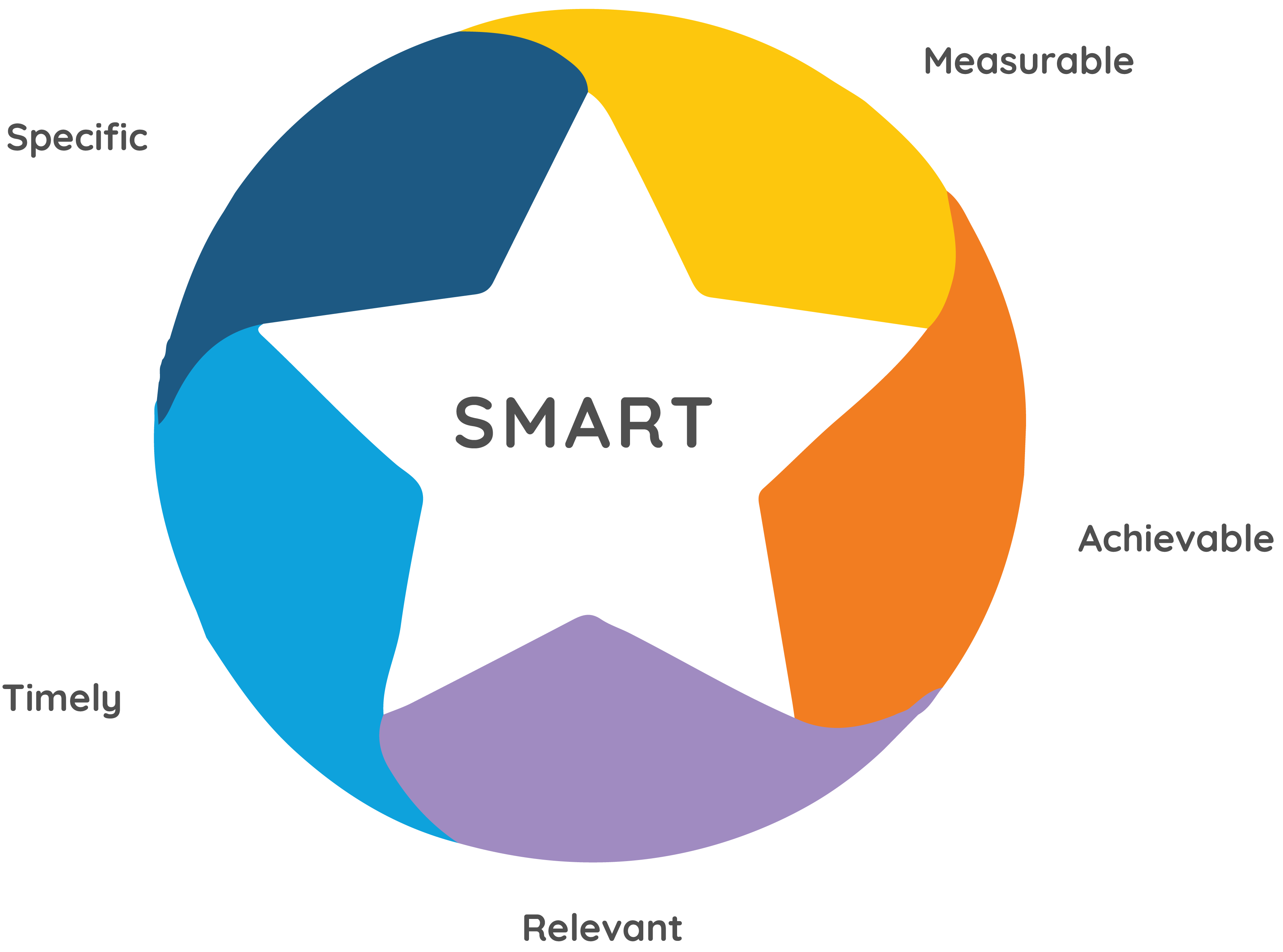
Specific
The target needs to be specific, not open-ended.
Measurable
The target needs to be measurable. For example, making 20% more profit than the previous month is a target that can be measured.
Achievable
The goal needs to be achievable. Objectives that are impossible to achieve are not useful, and worse, it could lead to a lack of motivation among employees.
Realistic
The target needs to be relevant and realistic, so not overly ambitious but achievable.
Time constrained
Targets need to have timings attached. It needs to clear by when or in what time period the target needs to be completed.
Synhwyrol
Mae angen i’r targed fod yn synhwyrol – yn realistig felly nid yn rhy uchelgeisiol ac yn gyraeddadwy.